Precision CNC Turning Services
Traxis provides CNC turning for production shafts, pins, bushings, and fittings in its Austin shop.
$250 minimum order Quotes typically in 1 day Send your company, quantity, and a STEP file + PDF drawing
How turning works, and what we turn on
CNC turning rotates a workpiece against a cutting tool to make round features. Traxis runs turning work on a YCM NTC1600LY turn-mill lathe.
The machine's nominal catalog capacity — 12.6 in maximum turning diameter by 22.4 in long, 28 in swing, about 2 in bar capacity, and a collet chuck to 1-3/4 in — is a reference, not a part-size limit.
Show diameters, lengths, threads, and any fit or surface-finish requirements on the drawing for review.
Key Capabilities
- Live tooling for milling and drilling
- Y-axis access to off-center features
- ID and OD threads with milled features in one setup
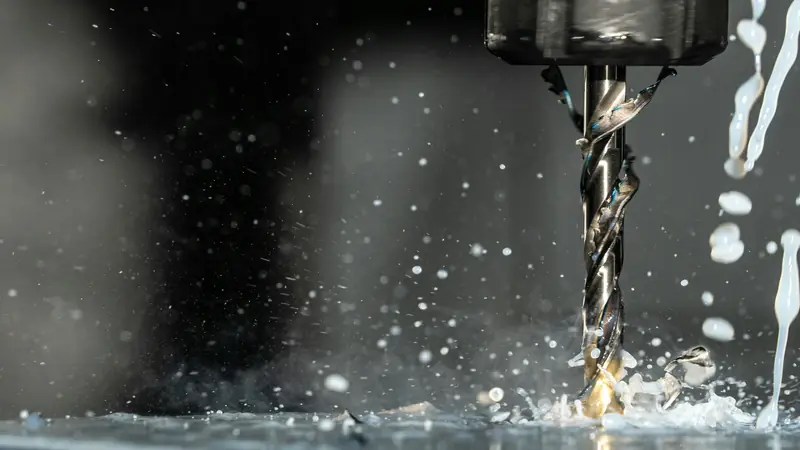
Our Turning Capabilities
Round, cylindrical, and shaft-type parts on a turn-mill lathe
Live Tooling & Y-Axis
Milled features on turned parts — cross holes, flats, slots, and off-center features — finished in one setup on the YCM turn-mill.
- Live-tool milling and drilling
- Y-axis for off-center features
- One setup for turned and milled features
Turning, Boring & Reaming
External and internal turning, facing, and tapers, with precision bores and reaming for fits and assemblies.
- OD and ID turning, facing
- Precision bores and reaming
- Counterbores and recesses
Threading & Grooving
Threaded ID and OD, grooves, and undercuts machined to the drawing.
- Internal and external threads
- Grooves and undercuts
- Chamfers and edge breaks
Common Turning Applications
Shafts & Rods
Shafts, pins, and rods for mechanical assemblies
Bushings & Sleeves
Cylindrical parts with bored and reamed IDs
Threaded Components
Threaded ID and OD parts, studs, and adapters
Fittings & Valve Parts
Adapters, fittings, and valve and pump components
CNC Turning FAQ
Production support, sizes, pricing, and requirements for turned parts
Traxis offers prototype support for production customers, including a single part for a corporate customer when there is production potential. The shop’s regular workload centers on production batches and recurring orders, and the minimum order value is $250.
Nine in ten turned parts Traxis shipped over the past three years were under 2.4 in diameter and 12 in long. This is a record of completed work, not the lathe’s maximum envelope. The drawing is reviewed to establish whether a particular part fits the setup.
A turned-part quote accounts for material and setup, time spent machining, dimensional tolerances, and the inspection needed. Different order quantities can be quoted for price-break comparisons. Traxis also reviews whether a design change could make machining easier or less expensive during the quoting process.
A turned-part drawing needs the diameters, lengths, internal and external threads, and any fit or surface-finish requirements. Show cross holes and flats as well as the round features. Submit that PDF with a STEP model for each part, plus the material and quantity, so Traxis can review the complete turn-mill job.
Turning work at Traxis includes aluminum, stainless steel, titanium, steels, brass, copper, and engineering plastics. Examples include 304 and 316 stainless, titanium Grade 2 and Grade 5, and acetal. Traxis normally supplies stock, and customer-supplied material is reviewed before the job is set up.
Traxis checks turned work during production and inspects every job before shipping. Diameters, fits, threads, and other drawing requirements form the inspection scope. First-article reports are available on request, as are material certifications and full lot traceability.
When choosing stock for a turned part, the materials list covers the grades available and requirements for supplied stock.
Ready to Start Your Turning Project?
Request a review of your turned part and its drawing requirements.
$250 minimum order Quotes typically in 1 day Send your company, quantity, and a STEP file + PDF drawing